Elevate your brand without compromising the planet. Lansen is a leading global supplier of luxury, sustainable cosmetic
packaging, serving brands in over 50 countries. From high-end glass to innovative PCR plastic, bamboo, and bioplastics,
our packaging is rigorously tested and certified to ensure compatibility with your premium formulations.
In today’s market, “green” is more than a color—it’s a complex standard of engineering and ethics. Choosing the wrong sustainable material can lead to compromised formulas, failed audits, and brand devaluation.
To achieve true sustainability that scales, brands must balance environmental impact with functional excellence. Here are the four critical factors that define high-performance eco-friendly packaging.
Sustainability shouldn’t come at the cost of product integrity. The chemical interaction between eco-materials (like PCR plastics or bio-resins) and active ingredients is a primary concern for R&D teams.
In a crowded retail landscape, your packaging is your primary storyteller. Sustainable packaging must bridge the gap between “earth-friendly” and “premium quality.”
Eco-friendly design is a failure if it hinders the consumer’s experience. The packaging format must be intuitive and fit the product’s specific viscosity and usage.
True sustainability is measurable and verifiable. Navigating the “Green Claims” landscape requires rigorous documentation to avoid greenwashing and ensure global distribution.
Discover high-performance, eco-friendly packaging materials designed to protect your product’s integrity while elevating your brand’s environmental profile.
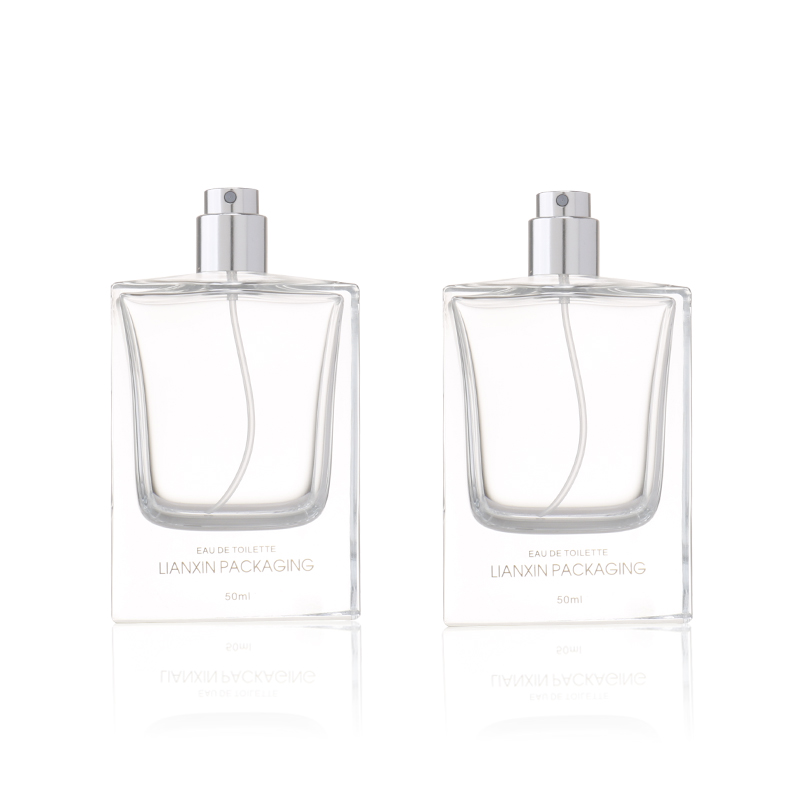
Glass containers offer a high-end aesthetic combined with infinite recyclability. Because they are chemically inert, they are the safest choice for sensitive beauty and skincare formulations.
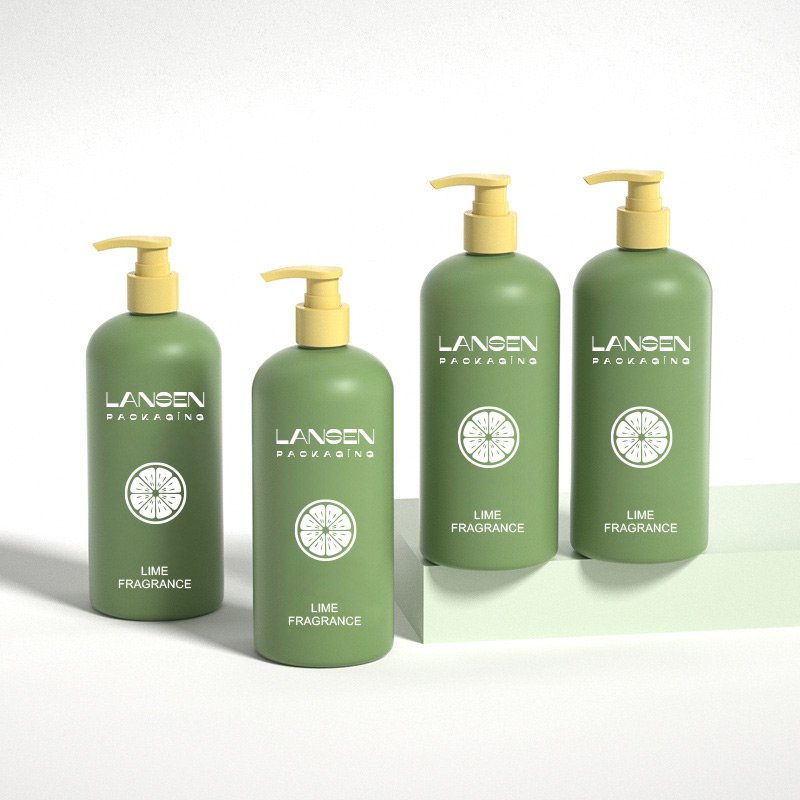
PCR packaging reduces the demand for virgin plastic by repurposing existing waste. It maintains the durability and clarity of traditional plastic while significantly lowering your carbon footprint.
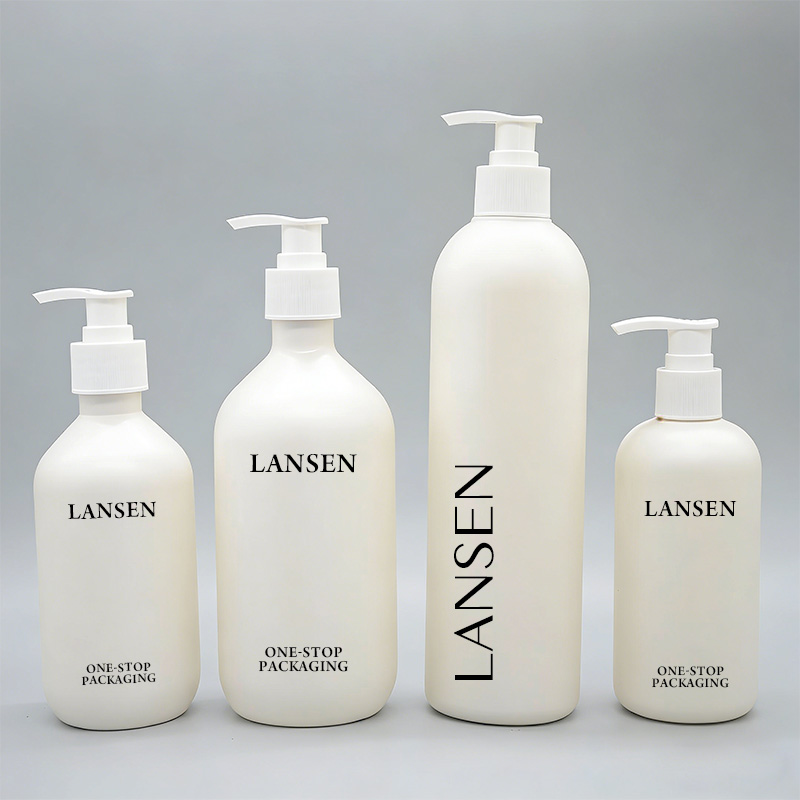
Derived from renewable resources like corn starch or sugarcane, PLA bioplastic is a modern alternative to petroleum-based plastics for brands prioritizing renewable feedstocks.

Bamboo packaging is one of the most sustainable options on the market. Bamboo grows to maturity in just 3-5 years and absorbs significantly more CO₂ than traditional hardwood trees.
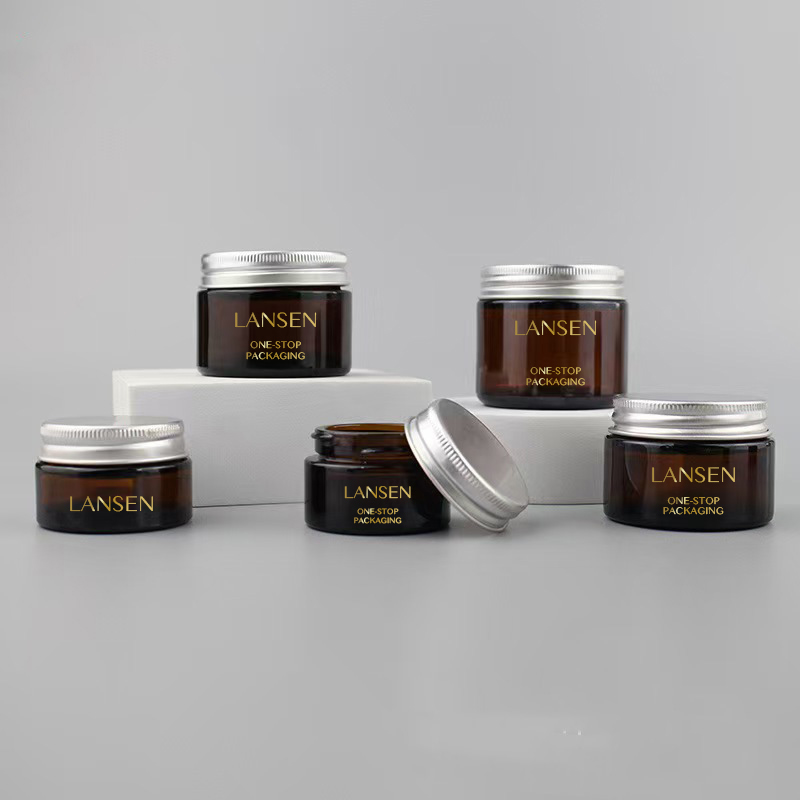
Aluminum packaging is a lightweight, durable powerhouse. With the highest recycling rate of any material, it provides a total barrier against light, oxygen, and moisture.
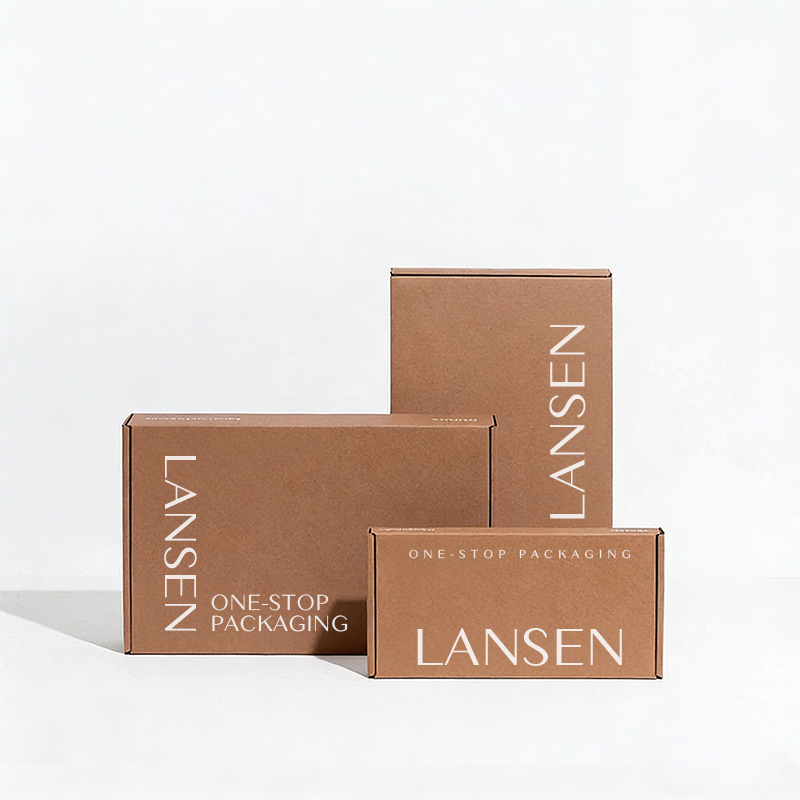
Our paper ensures your outer packaging comes from responsibly managed forests. It is fully biodegradable and reduces overall shipping weight.
Intelligent design is the bridge between luxury performance and a circular economy. By integrating refillable systems and airless technology, brands can significantly extend product lifecycles while minimizing environmental waste.
Replaceable packaging systems are the cornerstone of the circular beauty movement. By decoupling the decorative outer container from the functional inner cartridge, brands can offer a luxury experience with a significantly reduced environmental footprint.
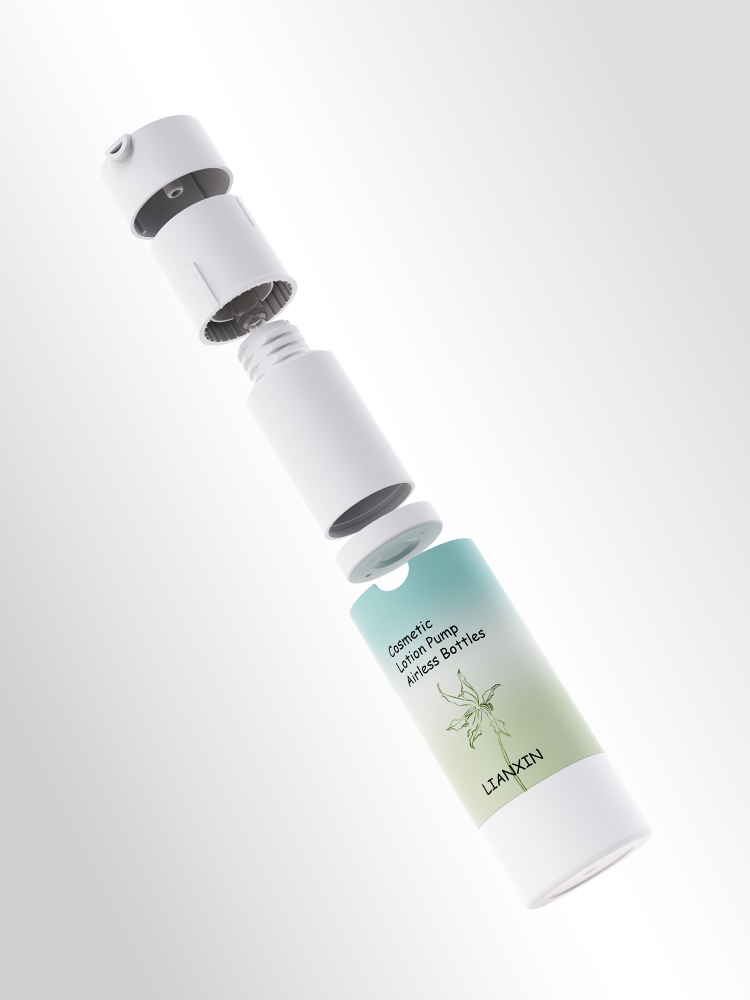
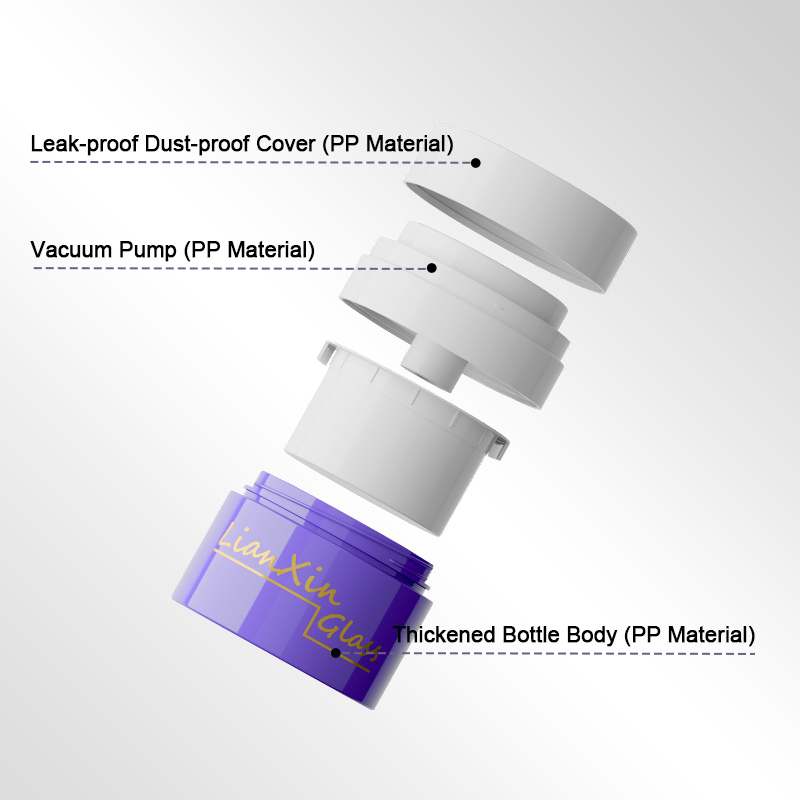
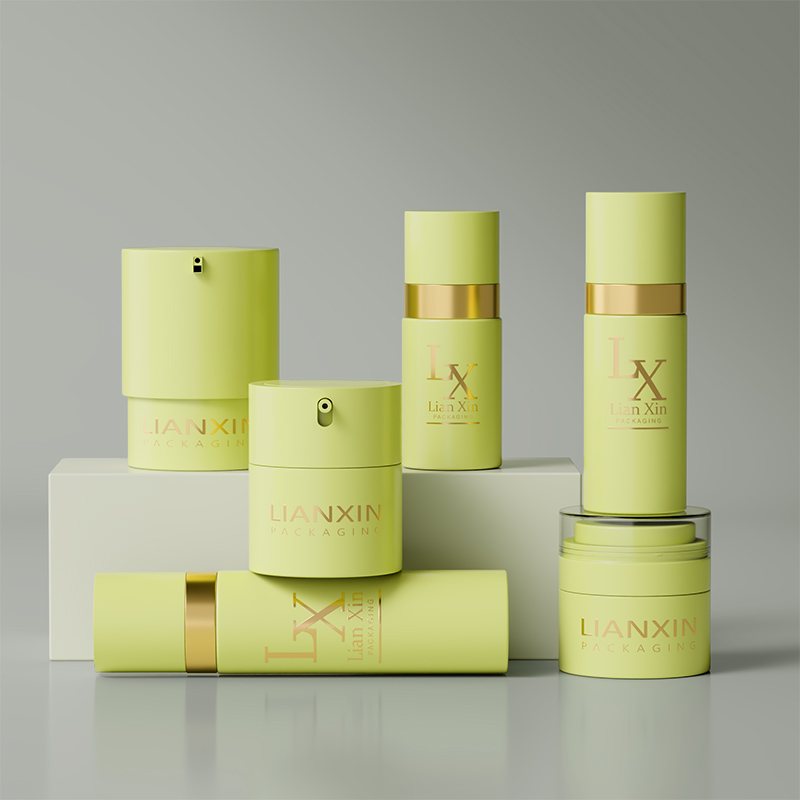
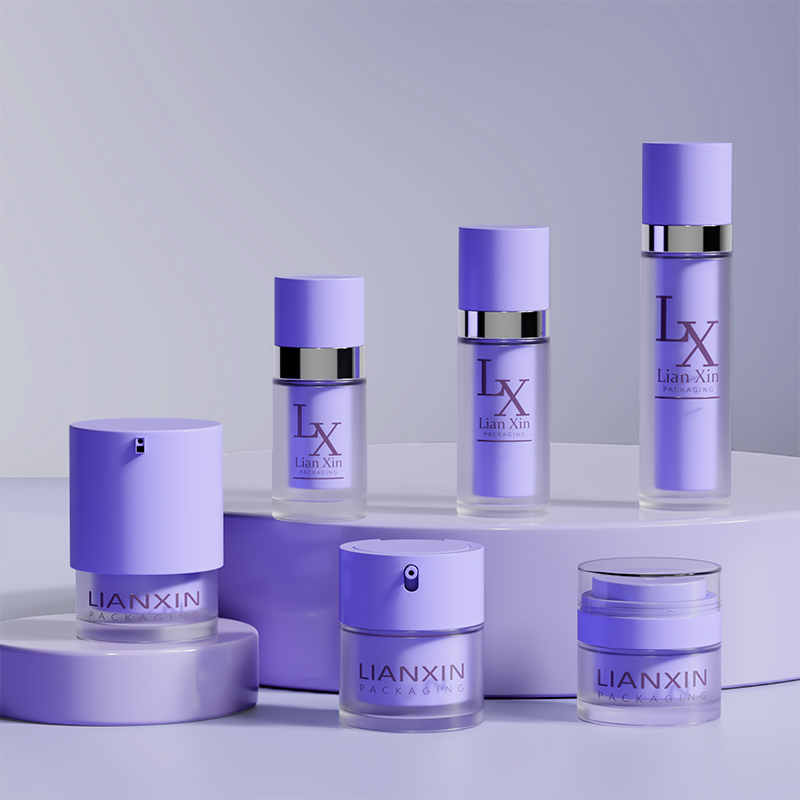
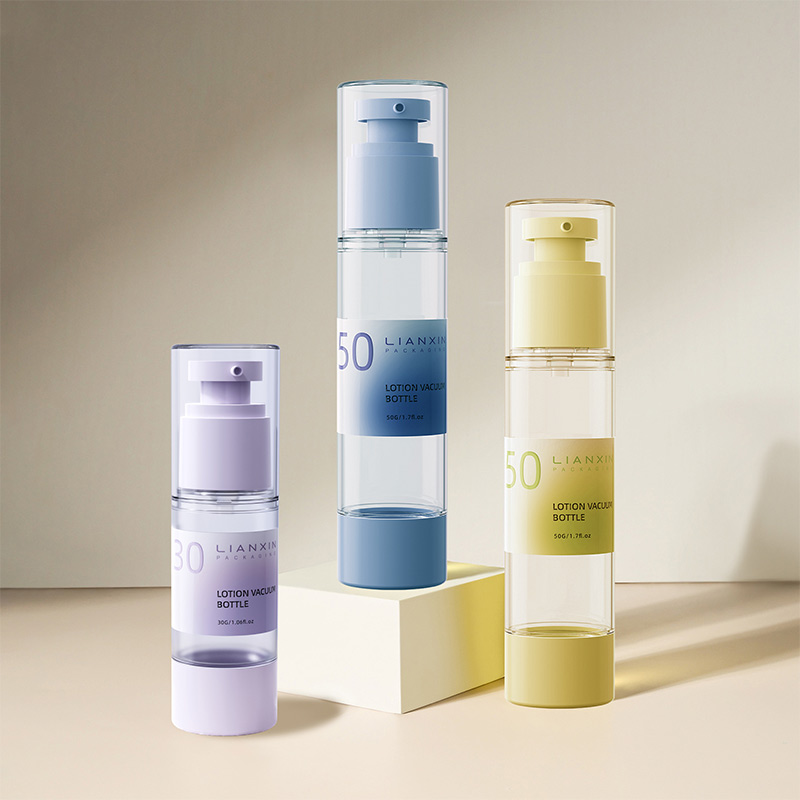
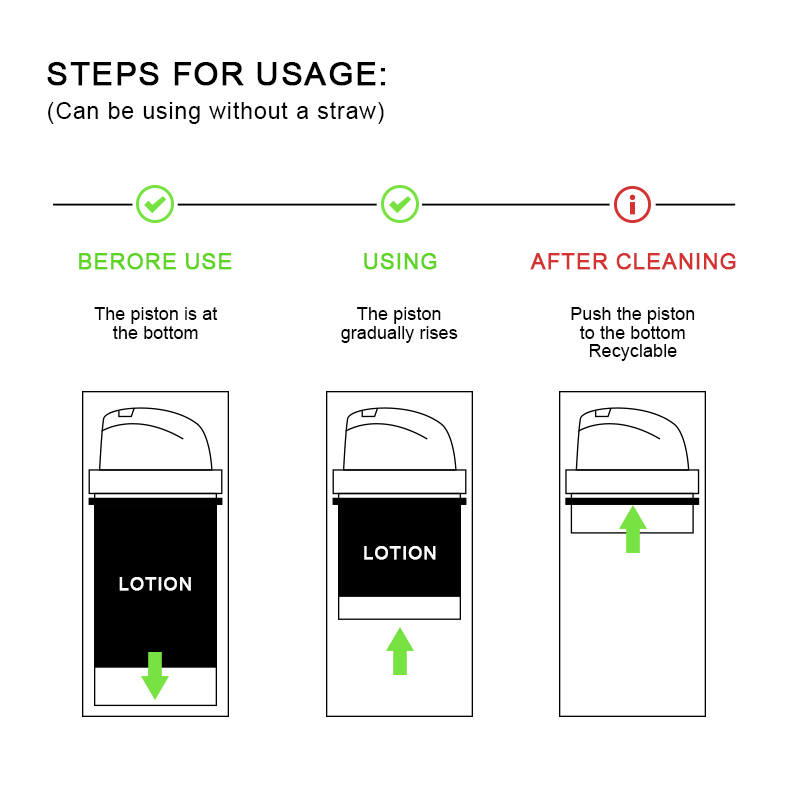
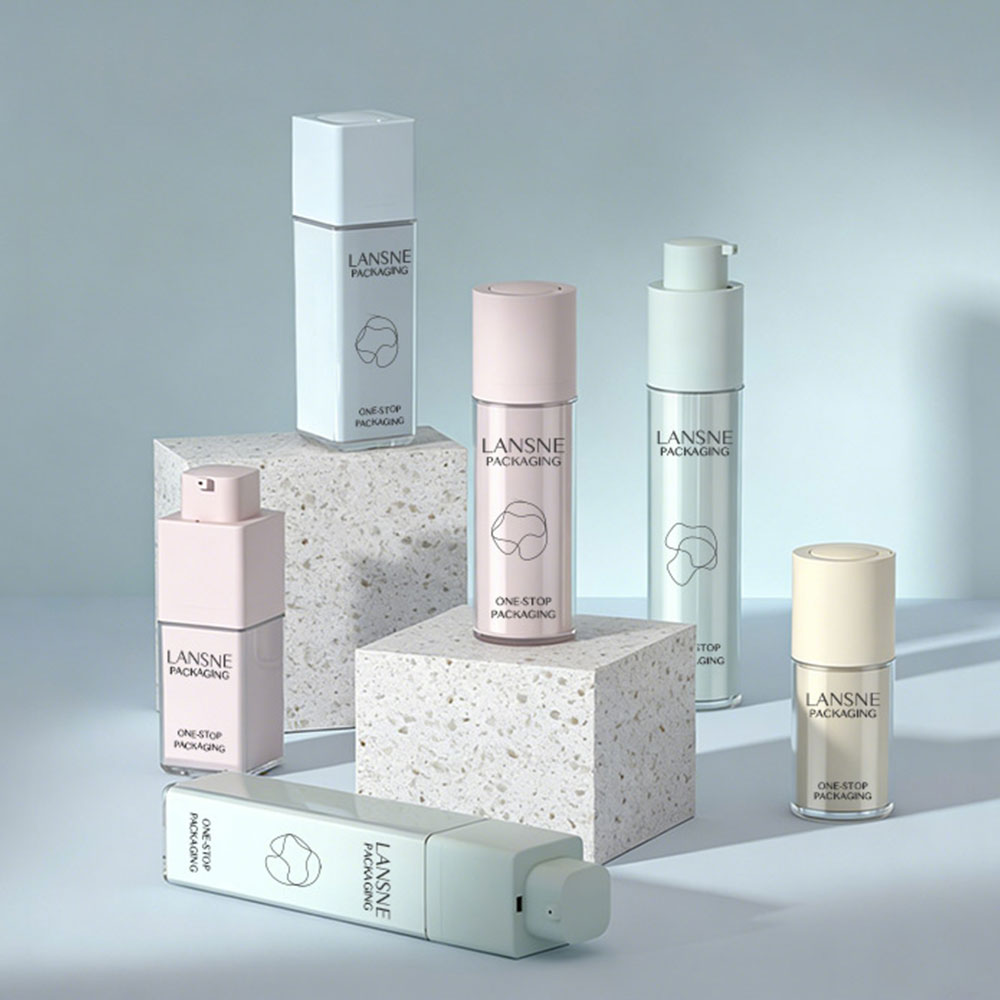
Airless dispensing systems are the gold standard for high-potency skincare. Unlike traditional pump bottles that use a dip tube, airless technology utilizes a vacuum-sealing mechanism to ensure your formulation never comes into contact with air, light, or contaminants.
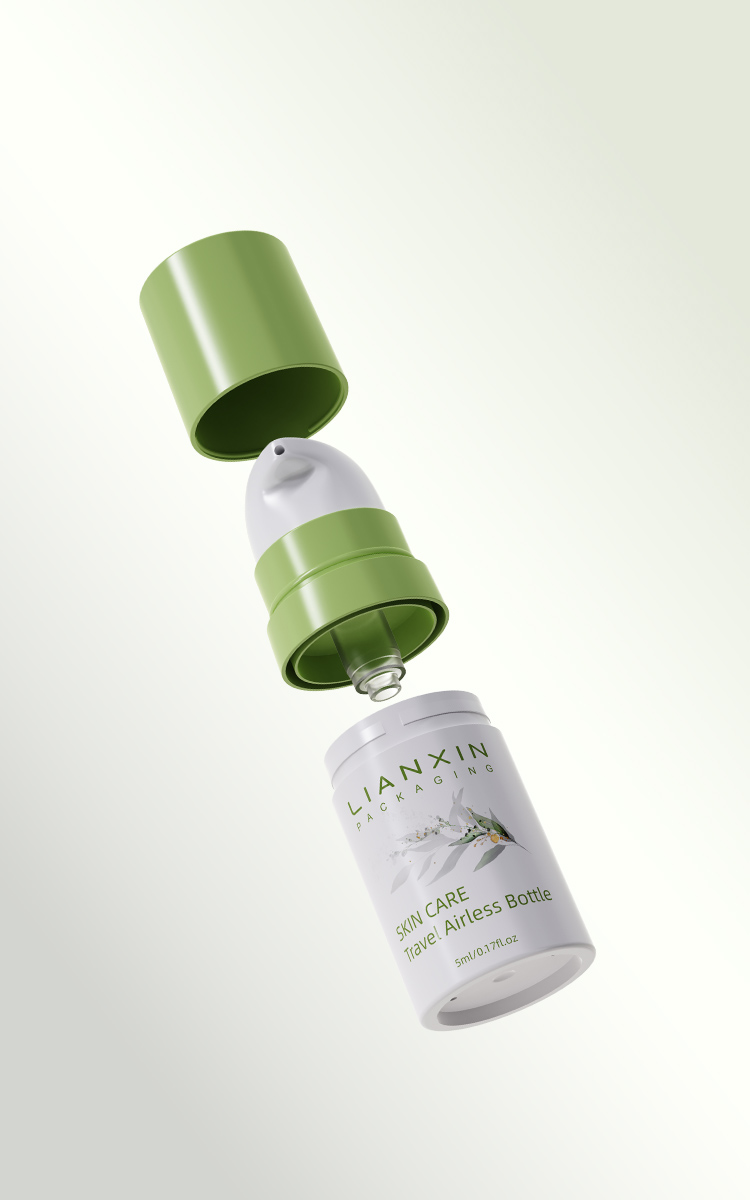
Transitioning to sustainable packaging should be a seamless experience. At Lansenpack, we provide a structured, transparent journey from your initial inquiry to a global packaging partnership. Here is how we bring your eco-friendly product line to life:

We begin by analyzing your formulation’s needs. Whether you require Glass for luxury aesthetics, PCR for circularity, or Airless systems for sensitive actives, our experts help you select the ideal sustainable material that aligns with your brand positioning and budget.
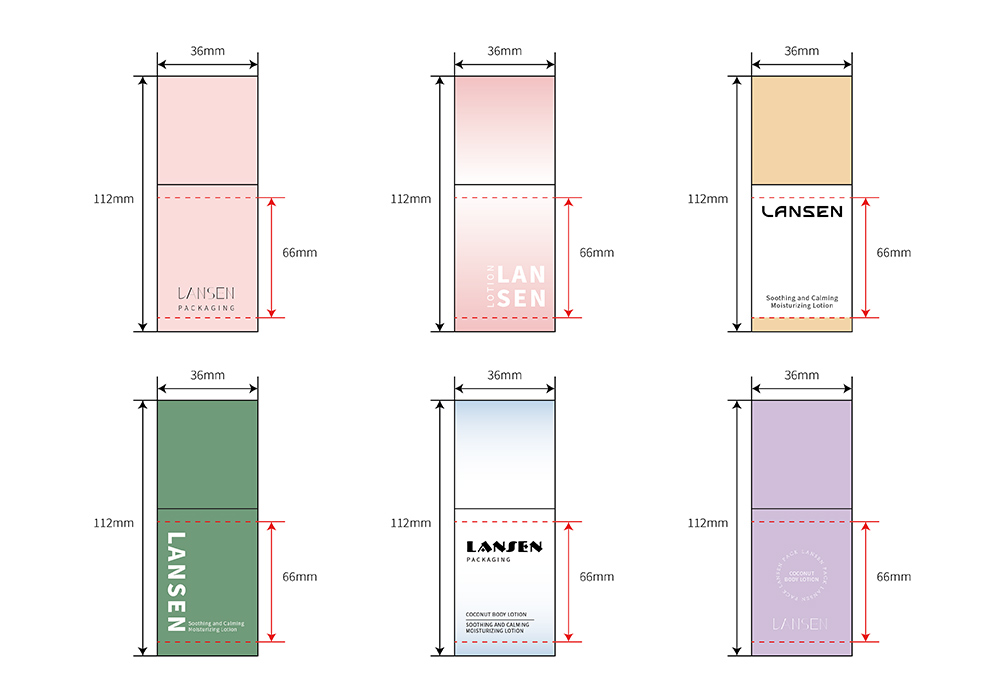
Once the material is chosen, we move into the design phase. Custom Bottle: Choose bottle shapes and jar dimensions. Surface Finishing: Eco-friendly silkscreen printing, hot stamping, or frosting. Functional Samples: We provide prototypes to ensure the pump dosage and closure fit meet your exact specifications.
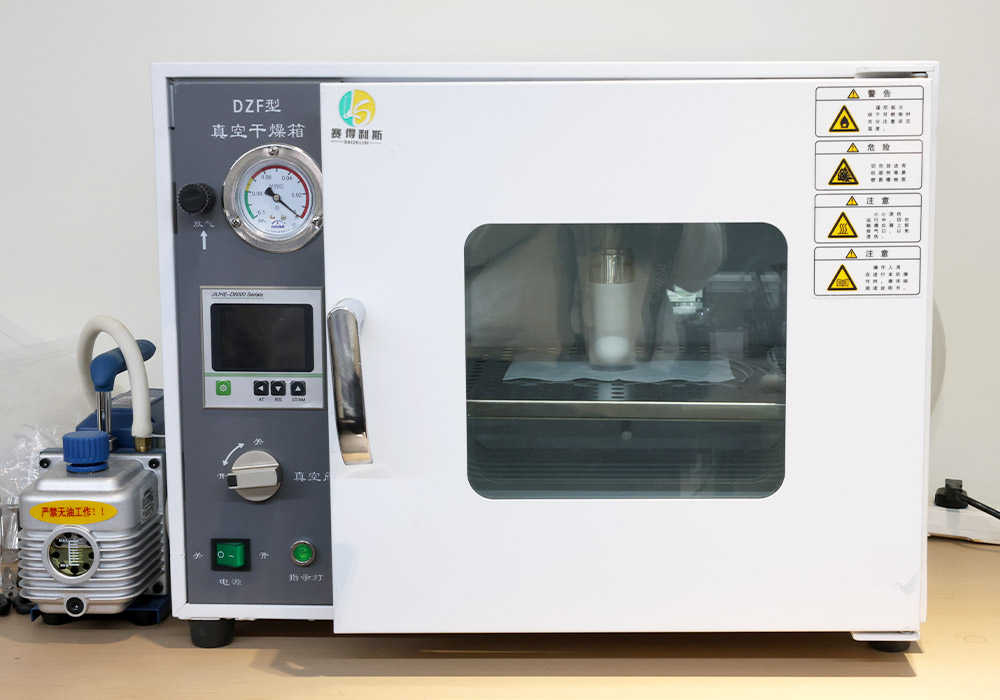
Before mass production, we facilitate rigorous testing. We ensure your formulation—whether it’s a high-viscosity cream or an oxygen-sensitive serum—remains stable and effective within our airless or vacuum-sealed systems.
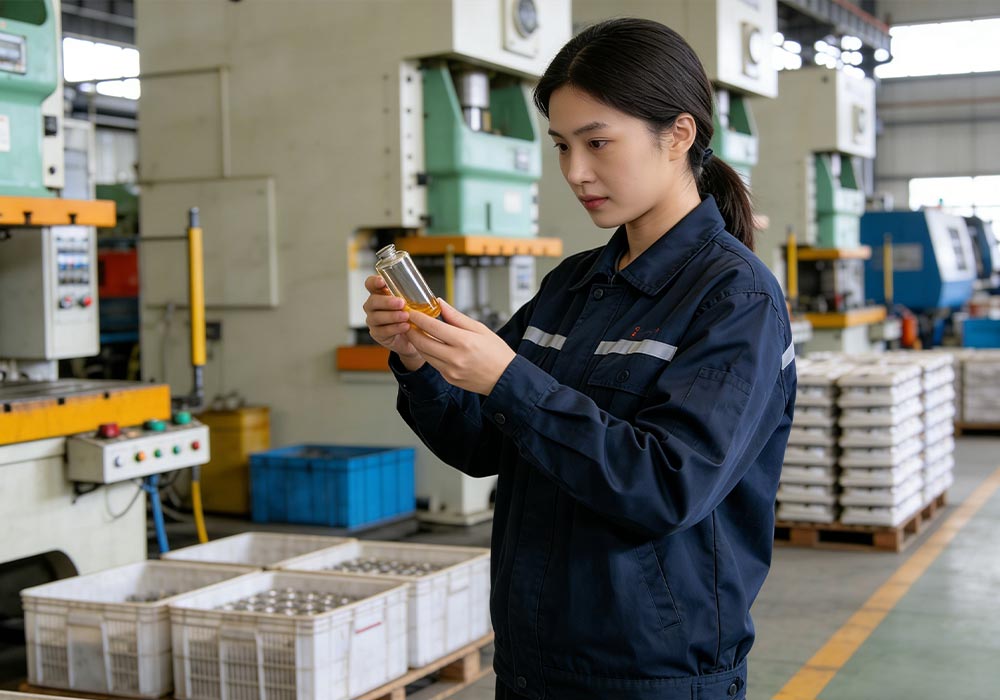
Our production lines in Guangdong utilize advanced automation to ensure consistency. Quality Assurance: Every batch undergoes strict inspection for leakage, aesthetic defects, and mechanical performance. Eco-Certifications: We ensure all paper and PCR plastics meet international environmental standards.
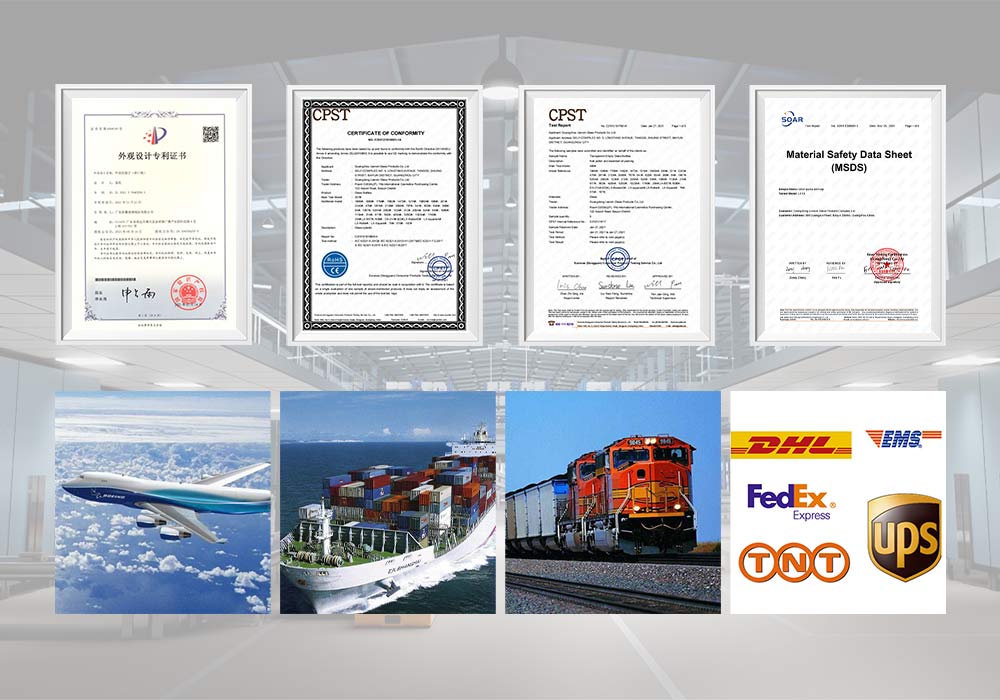
We handle the complexities of international trade so you don’t have to. Documentation: Preparation of Certificates of Origin (CO) and customs paperwork. Global Shipping: Expert logistics management for air and sea freight to markets in Europe, Southeast Asia, USA, the UAE, and beyond.
Explore the most frequent questions and expert answers regarding sustainable materials, refillable systems, and packaging compatibility.
We offer flexible PCR (Post-Consumer Recycled) options ranging from 30%, 50%, to 100% content. This allows brands to balance environmental goals with the desired clarity and durability of the container. Our PCR materials are available for PP, PET, and PE bottles and jars, helping you transition to a circular economy model.
Yes. Our bamboo packaging components feature a food-grade, water-resistant coating. This specialized treatment protects the natural fibers from bathroom humidity and product moisture while maintaining biodegradability. It is an ideal solution for organic skincare jars, balms, and refillable compacts.
To ensure total compatibility, we apply a BPA-free epoxy lining to all our aluminum cosmetic containers. This creates a high-performance protective barrier that prevents direct contact between the metal and the product. Our lining is rigorously tested for stability with:
Yes, refillable packaging requires high-precision engineering for both the permanent outer shell and the replaceable inner cartridge. While the initial mold investment may be higher, the system creates immense long-term value through customer retention and lower per-unit refill costs. We offer:
By substituting petroleum-based polymers with abundant natural minerals, calcium carbonate filled polypropylene reduces plastic consumption by 30–40% by weight. This functional mineral filler also adds a premium white opacity and improves heat resistance, making it perfect for heavy-wall jars, compacts, and sustainable closures.
The choice depends on your brand’s specific logistics and positioning: