
Discover how beauty brands can create luxury cosmetic packaging through smart material choices, premium finishes, and supplier strategies—without enterprise-level budgets.
A customer picks up your serum. Before they read the ingredient list, before they smell the formula, before they even read your brand name clearly — they have already formed an opinion. The weight of the glass. The texture of the cap. The way the label sits flush against the surface.
Packaging is not decoration. It is the first physical argument your brand makes.
Brands like Tata Harper and Mutha have built significant retail presence partly on the strength of their packaging. Both communicate premium positioning through material weight, clean silhouettes, and finishes that feel intentional. Neither looks like a generic private-label product. And both attract a customer willing to pay more because the packaging signals that the product inside is worth it.
The assumption most indie founders make is that this level of packaging requires an enterprise budget and a supplier relationship that takes years to build. That assumption is wrong — but getting there requires understanding what actually creates the luxury effect, and how to access it without minimum order quantities designed for global conglomerates.
Luxury packaging is not about spending the most money. It is about making specific decisions well. Four variables drive most of the visual and tactile premium signal.

Glass
Glass reads as premium almost universally. It has weight, clarity, and a permanence that plastic rarely replicates. For skincare serums, facial oils, and perfumes, glass bottles and vials immediately elevate perceived value.

Aluminum
Aluminum is another strong option — particularly for caps, closures, and tube formats. It feels solid, photographs well, and holds decorative finishes reliably.
Plastic
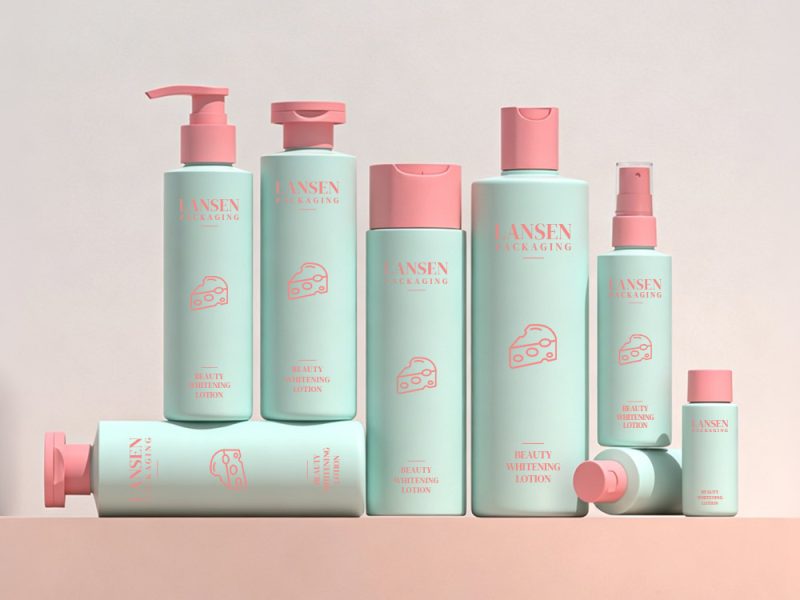
Plastic is not automatically a downgrade. Certain plastic formulations, particularly those used in airless pump bottles or thick-walled jars, can read as premium when the weight and finish are right. The issue is cheap, thin plastic — not the material category itself.

Eco-friendly Materials
Eco-friendly materials — recyclable glass, refillable formats, biodegradable components — are increasingly read as premium by consumers who associate sustainability with intentional brand values. A refillable jar is not just an environmental choice; it signals confidence in your product and a long-term relationship with the customer.
This is where most of the luxury signal lives, and it is where brands underinvest.

Frosted Glass
Frosted or matte glass removes the commodity feel of clear glass and creates a tactile softness that photographs beautifully

Soft-touch Coating
Soft-touch coatings on plastic or aluminum give a velvety surface that reads as deliberate and refined
Metallic Caps
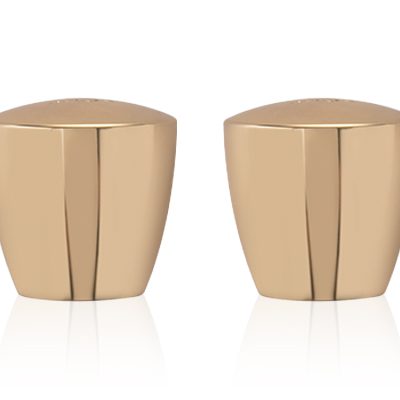
Metallic or chrome finishes on caps and collars add weight and visual contrast without requiring a fully custom mold
Embossing
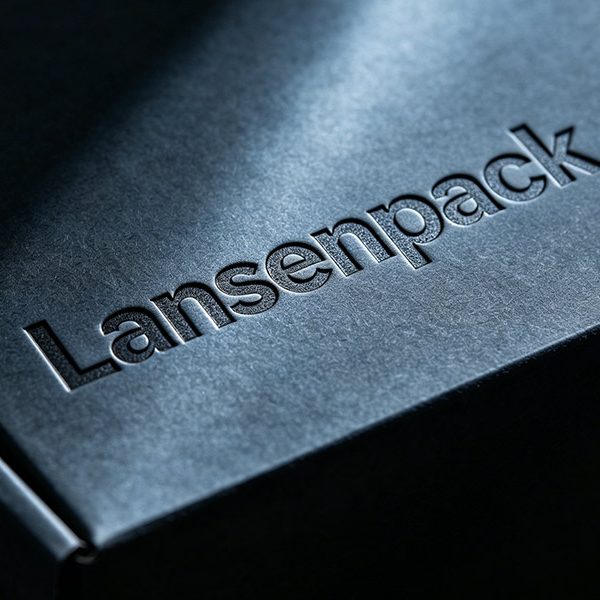
Embossing and debossing on labels or directly on packaging creates depth that flat printing cannot replicate
UV Spot Finish
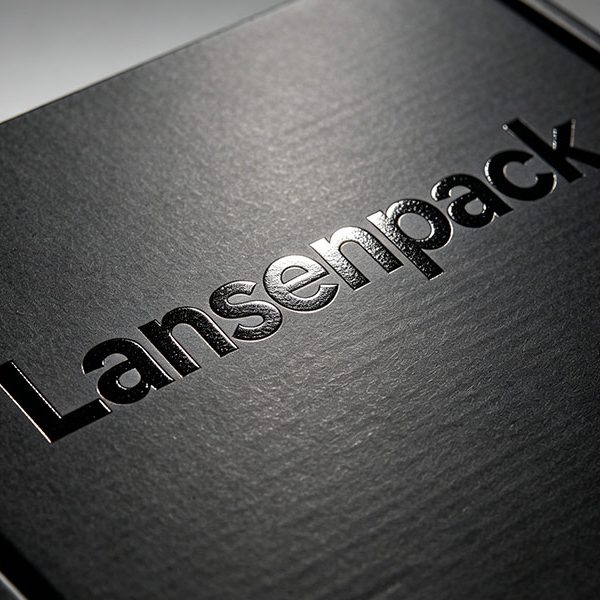
UV spot printing lets you combine matte backgrounds with gloss highlights — a technique that signals production quality immediately
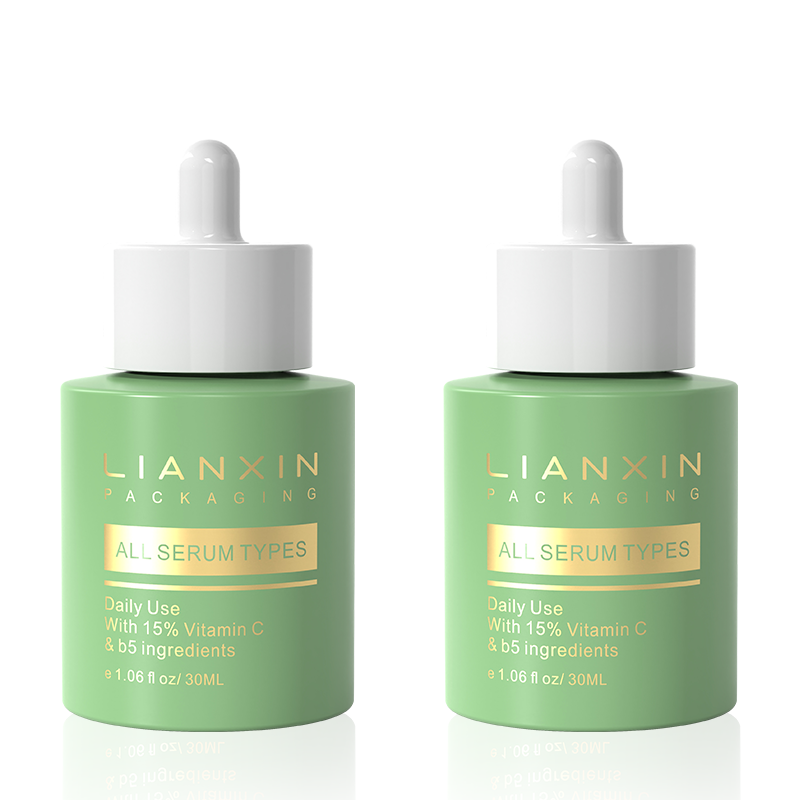
Hot Stamping
Hot stamping can creating a high-quality, durable, and eye-catching finish for logos, text, and decorative elements.
None of these require a custom mold from scratch. Many are available as finishing options on existing mold formats.
The cap is the first thing a customer touches. A lightweight, hollow-feeling cap undermines an otherwise strong bottle. A heavy, well-fitted cap with a satisfying click or smooth thread does the opposite.
When you evaluate packaging suppliers, ask specifically about cap materials and weight options. A glass bottle with an aluminum cap will almost always read as more premium than the same bottle with a plastic cap, even if the bottle itself is identical.
Pump dispensers, droppers, and airless mechanisms also add functional premium signals. They communicate that the brand has thought about product delivery, not just aesthetics.
Shape matters more than most founders realize. Tall, narrow bottles read as serums and concentrates — high-value, use-sparingly formats. Wide, low jars read as creams and balms. Proportions that match category conventions, but add a distinctive detail — a tapered neck, a flat shoulder, an unusual base — create recognition without confusion.
You do not need a fully custom mold to achieve this. A library of 20,000+ ready molds gives you enough silhouette variety to find a shape that fits your brand without paying for tooling from scratch.
Most indie and growing beauty brands already have strong design instincts. The problem is not knowing what luxury looks like — it is accessing the production capabilities to execute it.
Enterprise packaging suppliers like HCP or WWP Beauty serve global brands with the volume to justify their qualification processes, long lead times, and high minimum order quantities. If you are launching a skincare line with an initial run of a few hundred to a few thousand units, those suppliers are not built for you.
Stock catalog suppliers solve the MOQ problem but limit your options to what is already in their catalog. You can add your logo. You cannot change the silhouette, the finish, or the cap.
The gap between those two options is where most independent and mid-size brands get stuck. They want more than a logo on a stock bottle, but they are not ready for enterprise-scale complexity.
This is exactly the positioning that a supplier like Lansen Pack is built to fill. With 20,000+ ready molds across bottles, jars, tubes, vials, and more — and a clear path from design concept to physical sample to bulk order — brands can access genuine custom packaging without the enterprise barrier.
Here is a practical approach, step by step.
Step 1
Choose the Right Mold
Step 2
Select surface treatment effect
Step 3
Upgrade the Finish
Step 4
Request Samples
Step 5
Evaluate Sustainability
Step 6
Select the Right Supplier
Start With a Strong Mold, Not a Blank Sheet
Fully custom molds are expensive and slow. For most independent brands, they are not necessary. A large mold library gives you access to shapes that have already been engineered and tested — you are choosing and customizing, not inventing.
Browse a catalog with real depth. Look for silhouettes that match your product category and brand aesthetic. Then focus your customization budget on finishes, colors, and closures rather than structural tooling.
At Lansen Pack, you can browse 20,000+ ready molds and request a free design concept in 1 hour. That means you can move from “I have an idea” to “I can see what this looks like” in the same day — without spending anything on design fees.
Invest in Finishes, Not Just Shape
Once you have a mold, the finish is where your budget creates the most visible return. A frosted glass bottle with a matte aluminum cap and embossed logo will read as significantly more premium than the same bottle in clear glass with a printed label — even if the underlying mold is identical.
Ask your supplier specifically about:
Frosting and matte coating options
Soft-touch surface treatments
Metallic cap finishes
Embossing or debossing on the bottle or label
UV spot coating on labels
These finishing choices are where the luxury signal is built.
One of the most common objections to overseas packaging suppliers is the risk of committing to a bulk order without seeing the physical product. This is a legitimate concern — and the answer is samples.
A supplier that can produce physical samples in 7 days removes most of that risk. You hold the actual bottle, feel the cap, check the finish, and confirm the weight before placing a bulk order. If something is off, you adjust before it costs you.
At Lansen Pack, physical samples are produced in 7 days. Urgent small bulk orders are fulfilled in 4 days. Standard bulk orders process in 30 days. The sample step is built into the workflow — it is not an afterthought.
Ready to see your packaging before you commit? Get a quote at lansenpack.com and request a sample.
Refillable packaging, recyclable glass, and biodegradable materials are not just sustainability choices — they are brand positioning tools. A refillable skincare jar communicates longevity and quality. Recyclable glass communicates environmental seriousness. Both signal to a consumer that the brand has thought beyond the first purchase.
If your target customer values sustainability — and increasingly, premium beauty customers do — eco-friendly packaging options are worth exploring. Lansen Pack offers recyclable, refillable, and biodegradable material options across its product categories.
Choosing the right supplier is about more than price. The right partner should help you create premium packaging efficiently, reduce production risks, and support your brand as it grows.
| What to Evaluate | Why It Matters |
|---|---|
| Mold Library | A large mold library gives you more design flexibility without paying for expensive custom tooling. The more mold options available, the easier it is to find a premium-looking bottle or jar that fits your brand. |
| Design Support | Suppliers offering free design concepts and 3D rendering can shorten development time and reduce outsourcing costs. |
| Sample Turnaround | Fast sample production lets you evaluate material quality, weight, finishes, and functionality before committing to mass production. |
| Surface Finishing Options | Premium packaging depends heavily on finishing techniques such as frosting, matte coating, soft-touch finishes, metallic effects, embossing, and UV spot printing. |
| Material Selection | Look for suppliers that provide multiple material options, including glass, aluminum, high-quality plastics, refillable packaging, and eco-friendly materials. |
| Production Capacity | Reliable lead times and flexible MOQs are essential for growing brands that need to balance inventory and cash flow. |
| Transparent Workflow | A clear process—from concept, rendering, sampling, and production to delivery—helps reduce delays and unexpected costs. |
| Communication & Support | Responsive project management and technical support can prevent costly misunderstandings during product development. |
Lansen Pack combines the capabilities typically associated with enterprise suppliers while remaining accessible to independent and growing brands, including:
Instead of requiring brands to choose between limited stock packaging and enterprise-level custom manufacturing, Lansen Pack provides a practical middle ground that delivers premium results with greater flexibility.
The biggest drivers are material choice (glass and aluminum over thin plastic), surface finishes (frosted, matte, soft-touch, metallic), and closure quality. You do not need a fully custom mold — the right finish on a well-chosen existing mold shape can create a strong premium result.
This depends on the supplier. Enterprise-focused suppliers often require very high MOQs that exclude independent brands. Suppliers positioned for growing brands — like Lansen Pack — are designed to serve smaller initial runs while still offering genuine custom options, not just logo printing on stock bottles.
Request physical samples first. A supplier that can produce samples in 3 days lets you evaluate weight, finish, cap quality, and overall feel before committing to bulk production. This is the most reliable way to avoid costly surprises.
Yes. Recyclable glass, refillable formats, and biodegradable materials can all read as premium when executed well. Many high-end skincare brands use sustainable packaging specifically because it reinforces their brand values and appeals to consumers who associate environmental care with product quality.
With a supplier like Lansen Pack, the timeline can be: free design concept in 1 hour, 3D rendering in 2 hours, physical sample in 3 days, and bulk order fulfilled in 30 days (or 4 days for urgent small bulk orders). From first inquiry to holding a sample can happen within a week.
Usually not at the start. A large mold library gives you enough shape variety to find a strong silhouette, and your customization budget is better spent on finishes and closures. Custom molds make sense once you have validated your product and are scaling — or if your brand identity depends on a genuinely unique structural form.
Common formats include glass bottles and vials for serums and perfumes, skincare jars for creams and balms, aluminum tubes, airless pump bottles, and dropper bottles. Materials include glass, plastic, aluminum, and eco-friendly variants. Lansen Pack covers 15+ product categories across these formats.
Luxury packaging is achievable for independent and growing brands. The path is specific: choose the right mold, invest in finishes, evaluate samples before bulk, and work with a supplier whose process is built for your scale.
You do not need an enterprise budget. You need the right supplier and a clear process.
From concept to sample in 3 days — your packaging should not slow down your launch. Browse molds, request a free design concept, and get a quote at lansenpack.com.
Great packaging isn’t defined by budget—it’s defined by smart design decisions, the right materials, and a supplier that understands growing brands.
804, 8th Floor, Joy Plaza, 388 Guangyun Road, Baiyun District, Guangzhou City, Guangdong Province
©Copyright Lansenpack All Rights Reserved.