Lansen logo

Cosmetic Packaging Materials:
Defining Brand Success Through Innovation

In the competitive beauty industry, your packaging material is more than just a container—it is a silent ambassador for your brand. It communicates your values, protects your formulation’s integrity, and defines the consumer’s sensory experience.

Choosing the wrong material can lead to product degradation or brand misalignment. At Lansenpack, we transform material selection into a strategic advantage, ensuring your packaging is an authentic extension of your brand promise.

Performance First

We prioritize formulation stability and rigorous protection for every product.

Integrated Sustainability

High-quality PCR, glass, and bio-plastics that meet green standards without sacrificing function.

Quality Standards

All materials are sourced from audited suppliers meeting international safety certifications.

Rapid Customization

Access to 10,000+ stock molds across all material types for industry-leading sampling speeds.

The Ultimate Cosmetic Packaging Guide: A Three-Factor Selection Model

Product Formulation Compatibility

Oil-Based
(Serums, Essential Oils)

✓ Best: Glass, PET, HDPE, Aluminum
Avoid: Avoid low-grade plastics. Oils can degrade certain polymers, causing the container to soften or chemicals to leach.

Creams & Emulsions
(Moisturizers)

✓ Best: PP, HDPE, PETG, Glass, Acrylic
Why: Rigid structures prevent dispensing issues and resist the complex chemical nature of stable emulsions.

Water-Based
(Toners, Lotions)

✓ Best: PET, PP, Glass, PETG
Why: These provide high moisture barriers to prevent evaporation and do not react with aqueous solutions.

Active Ingredients
(Retinol, Vitamin C)

✓ Best: Amber/Cobalt Glass, HDPE, Airless PP
Why: Actives require UV protection and superior chemical resistance to maintain potency and prevent oxidation.

Brand Positioning Strategy

Luxury & Premium

  • Key Materials: Heavy-wall Glass, Frosted Glass, Acrylic, Aluminum, Bamboo.
  • Strategy: Focus on weight and clarity. Consumers equate “heaviness” with quality and prestige, justifying a higher price point.

Value & Accessibility

  • Key Materials: PET, PP, PS, PE.
  • Strategy: Prioritize durability and cost-efficiency. Lightweight materials reduce shipping costs and provide functional reliability for daily-use products.

Clinical & Pharmaceutical

  • Key Materials: HDPE, Amber Glass, Medical-Grade PP, Aluminum.
  • Strategy: Focus on safety and sterility. Using medical-grade materials builds consumer trust in the efficacy of “cosmeceutical” or pharmaceutical claims.

Sustainability & Eco-Conscious Integration

  • PCR (Post-Consumer Recycled): Reuses existing plastic waste to lower carbon footprints.
  • Refillable Systems: Encourages brand loyalty while drastically reducing single-use waste.

Packaging Requirements vs Performance Materials

Requirement Recommended Materials Functional Benefit
UV Protection
Amber/Cobalt Glass, Opaque HDPE, Aluminum
Blocks light wavelengths that degrade photosensitive active ingredients.
Chemical Resistance
HDPE, PP, Glass, PETG
Prevents material-formulation interaction, leaching, and product “eating” through the walls.
Impact Resistance
HDPE, PP, ABS, EVA
Flexible, high-density materials absorb shock and prevent cracking during transit.
Clarity & Aesthetics
Glass, PET, PETG, Acrylic
High-transparency options showcase product color and texture for premium visual appeal.
Barrier Protection
Glass, Aluminum, Airless Systems, EVOH-layer
Extends shelf life by preventing oxidation and moisture contamination.
Thermal Stability
PP, Glass, HDPE, EVA
Maintains structural integrity and prevents warping during temperature fluctuations.
Logistics Efficiency
PET, PLA, PP, Aluminum
Lightweight materials reduce the carbon footprint and overall shipping costs.
Sustainability/CSR
PET, HDPE, PP, Glass, PCR Plastics
Align with circular economy goals and Extended Producer Responsibility (EPR) regulations.

Premium Eco-Friendly & Sustainable Packaging Materials

At Lansenpack, we bridge the gap between environmental stewardship and high-end design. Modern consumers no longer choose between ethics and aesthetics—they demand both.
Our curated portfolio of sustainable packaging materials delivers world-class performance with a minimal ecological footprint.

Glass

Material types: Sodium-calcium glass, borosilicate glass, refined white glass

Key advantages: 100% chemically inert, does not react with ingredients; 100% infinitely recyclable; natural weight conveys a sense of luxury.

Ideal Applications: High-concentration serums, facial essential oils, premium perfumes, medical-grade skincare products.

Suitable Scenarios:

  • Brands positioning themselves as ultra-luxury or premium.
  • Products containing highly active ingredients or oil-based formulations that demand exceptional stability.
  • Eco-friendly solutions centred on ‘sustainable recycling’ as a core marketing strategy.
pcr plastic bottle catalog

PCR

Material types: Recycled PET (rPET), recycled HDPE, recycled PP

Key benefits: Transforms post-consumer waste into high-quality resin, significantly reduces the carbon footprint, and complies with global plastic reduction regulations.

Ideal Applications: Mass-market skincare, personal care products, and full-range cosmetics seeking sustainability certification.

Suitable Scenarios:

  • Brands prioritising environmental responsibility in their marketing.
  • Compliance with government mandates regarding the proportion of recycled materials in packaging.
  • Seeking environmental certification whilst maintaining the convenience of plastic.
pla materials

PLA

Material type: Plant-based polymers (derived from corn starch, sugarcane, etc.)

Key benefits: 100% renewable source; industrially compostable; appearance and performance similar to traditional petroleum-based plastics (such as PET).

Ideal Applications: Samplers/trial packs, single-use products, limited-time eco-friendly collections.

Suitable Scenarios:

  • Products with a short shelf life or those in pop-up promotional categories.
  • Brands with established composting partners or closed-loop recycling schemes.
  • Low-moisture products requiring storage at ambient temperatures.
black bamboo coametic bottle set

Bamboo

Material types: Natural bamboo, bamboo composite

Key advantages: Rapid growth (up to 3 feet per day), 35% higher carbon sequestration capacity than hardwood; natural texture enhances emotional appeal for consumers.

Ideal Applications: Organic cosmetics, compact lids, cream jar casings, premium gift packaging.

Suitable Scenarios:

  • Brands positioning themselves as ‘vegan’, ‘natural’ or ‘pure aesthetics’.
  • Brands seeking to differentiate themselves through unique textures and a warm, natural feel.
  • High-end gift sets or limited editions with significant collectible value.
aluminum cap

Aluminum

Material type: Aluminium alloys of various grades

Key advantages: Infinitely recyclable without loss of quality; excellent light-blocking and sealing properties; lightweight and durable, with a cool, modern aesthetic.

Ideal Applications: Hand cream tubes, travel-sized jars, medical-grade skincare, and light-sensitive antioxidant products.

Suitable Scenarios:
  • Formulations containing highly oxidisable ingredients such as high-concentration vitamin C and retinol.
  • Brands seeking modern, minimalist or industrial-style designs.
  • Product development for portable scenarios such as outdoor activities and travel.
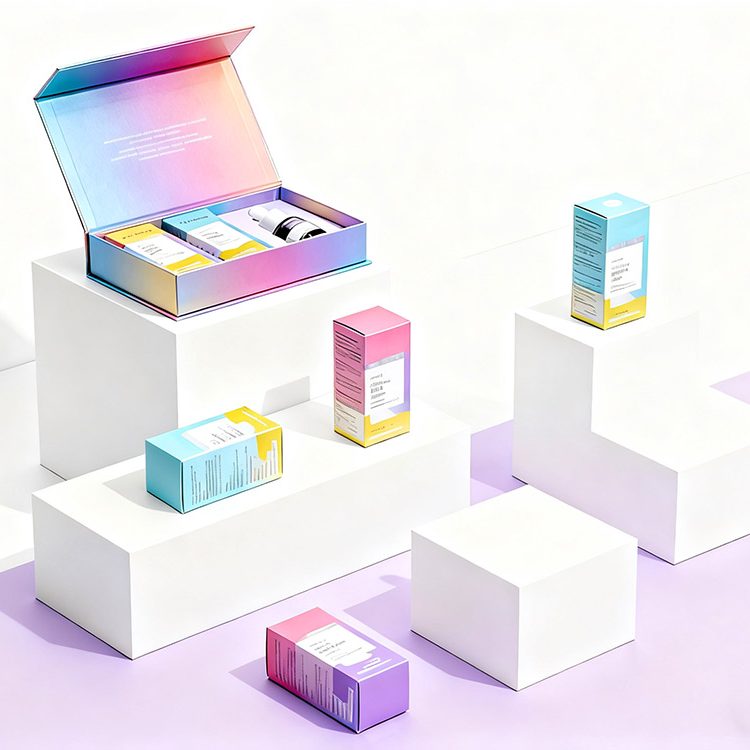
packaging box

Paper

Material types: Recyclable cardboard, kraft paper, corrugated cardboard

Key advantages: Offers the best print quality and the most comprehensive recycling infrastructure; provides a highly ceremonial unboxing experience.

Ideal Applications: Outer packaging boxes, folding cartons, powder compact liners, solid perfume packaging.

Suitable Scenarios:

  • Packaging requiring the display of extensive brand messaging, illustrations or complex visual designs.
  • Brands prioritising protection during e-commerce shipping and the ceremonial aspect of gifting.
  • Solid or powder products (non-liquid), enabling direct plastic-free packaging.

Traditional High-Performance Plastics

Modern plastic materials offer unmatched versatility, chemical resistance, and customization possibilities. When selected strategically and responsibly,

high-performance plastics provide cost-effective solutions without compromising product integrity or brand quality.
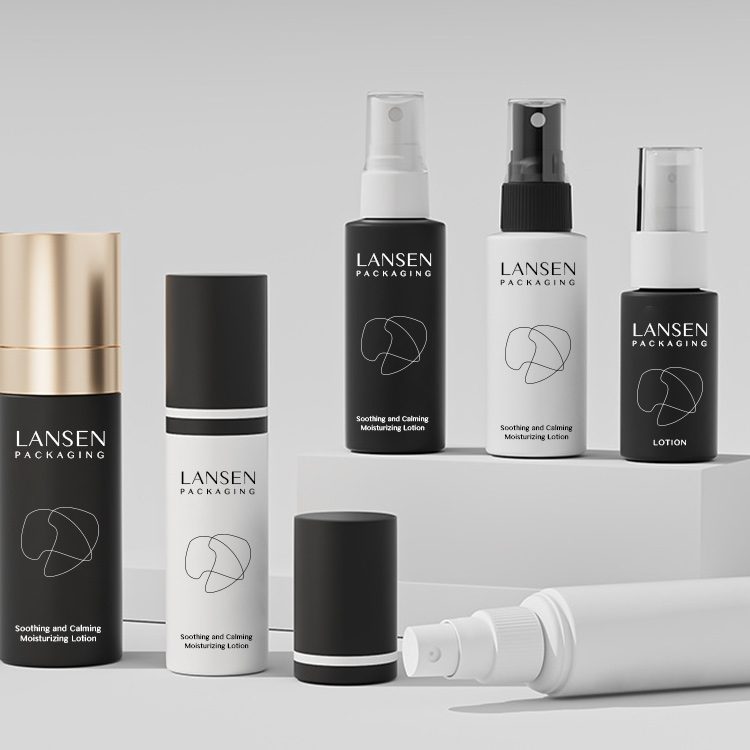
eco-friendly pet materials

PET

Best For: Transparency & Retail Appeal
PET is the go-to choice for brands that want the look of glass with the durability and lightweight benefits of plastic.


Formulation Compatibility
Ideal for: Water-based products, glycerin/glycol formulations, and low-alcohol products (up to 20%).

When to Choose PET

  • Visual Appeal: When product clarity and transparency are vital for consumer trust.
  • Sustainability Goals: High recyclability with an established global infrastructure.
  • Logistics: Lightweight nature reduces shipping costs and carbon footprints.
  • Safety: Perfect for shatterproof requirements in travel or bathroom environments.

When to Consider Alternatives

  • Choose HDPE or Glass for high-concentration essential oils.
  • Choose Glass for premium luxury positioning or if absolute inertness/maximum oxygen barriers are required.
pe body lotion bottles

HDPE

Best For: Chemical Resistance & High-Performance Actives

HDPE is a robust, versatile plastic known for its excellent chemical resistance and “milky” translucent or opaque finish.

Formulation Compatibility

  • Highly Compatible with: Oils (facial/hair/body), acids (AHAs, BHAs, Vitamin C), high-alcohol content, and thick emulsions.
  • Actives: Safely houses Retinol, Peptides, and high concentrations of essential oils.

When to Choose HDPE

  • Chemical Stability: Essential for clinical, pharmaceutical, or dermatological lines.
  • UV Protection: Opaque HDPE is excellent for light-sensitive formulations.
  • Durability: High impact resistance makes it ideal for children’s products and heavy-duty travel kits.
  • Brand Identity: Best for brands seeking a clean, “clinical” or matte aesthetic.

When to Consider Alternatives

  • Choose PET if you need crystal-clear transparency.
  • Choose Glass or Acrylic for a heavy, high-end luxury feel.
T-cap hand cream tubes

LDPE

Best For: Squeeze-to-Dispense & Flexible Tubes

LDPE is the softest and most flexible of the three, specifically engineered for products that need to be squeezed out of their container.


Formulation Compatibility

  • Broad Compatibility: Water-based, oil-based, and alcohol-based products.
  • Versatility: Excellent for creams, lotions, acids, alkalis, and highly viscous (thick) liquids.

When to Choose LDPE

  • User Experience: Perfect for squeeze bottles and tubes where controlled dispensing is required.
  • Safety: High safety profile, making it a staple for baby care and sensitive skin products.
  • Budget-Friendly: Highly cost-effective for mass-market or travel-size projects.
  • Durability: Virtually unbreakable and highly resilient to bending.

When to Consider Alternatives

  • Choose HDPE, PP, or PET if the container needs to be rigid or stand upright without flexing.
  • Choose PET for high-gloss, glass-like clarity.
PETG pink cosmetic packaging

PETG

Best For: High-Performance Clarity & Chemical Resilience

PETG is the “tougher sibling” of PET. It offers glass-like transparency with enhanced impact resistance and superior chemical stability, making it a favorite for high-end skincare.


Formulation Compatibility

  • Ideal For: Oil-based serums and treatments (outperforms standard PET).
  • Alcohol Resistance: Safe for high-alcohol formulations (up to 40% alcohol).
  • Versatility: Highly compatible with glycols, glycerin, water-based products, and complex emulsions.

When to Choose PETG

  • Durability: When you need a premium look that won’t stress-crack under exposure to oils or alcohol.
  • Customization: Excellent moldability for complex, custom bottle shapes.
  • Retail Safety: Perfect for high-impact professional environments or refillable programs where the bottle must withstand repeated use.

When to Consider Alternatives

  • Recycling Focus: If standard curbside recyclability is the priority, choose PET.
  • Cost Efficiency: PET is more cost-effective if the formula doesn’t require the extra chemical resistance of PETG.
square acrylic cosmetic bottle

Acrylic

Best For: Ultra-Premium Luxury & Aesthetic Depth

Acrylic is the gold standard for luxury cosmetics, prized for its “heavy-wall” feel and brilliant, crystal-clear gloss that mimics glass.

Formulation Compatibility

  • Best Suited For: Water-based products, glycerin, and low-alcohol formulations (up to 10%).
  • Limited Compatibility: Use caution with high-oil or high-alcohol formulas.
  • Warning: Avoid solvent-based products, as they can cause “crazing” (fine surface cracks).

When to Choose Acrylic

  • Luxury Positioning: When weight, tactile feel, and “jewelry-like” clarity are critical to the brand identity.
  • Refillable Concepts: Its durability makes it ideal for high-end outer shells in refillable skincare systems.
  • Design Innovation: Best for architectural shapes and thick-walled jars that showcase the product inside.

When to Consider Alternatives

  • Sustainability: Acrylic is difficult to recycle; consider Glass or PCR-PET for eco-centric brands.
  • High Actives: For formulas with high essential oil concentrations, PETG or Glass are safer bets.
acrylic perfume cap

ABS

Best For: Engineering Precision & Decorative Finishes

ABS is an opaque, engineering-grade plastic used primarily for structural components, mechanical parts, and decorative hardware.


Applications & Features

  • Mechanical Integrity: Ideal for caps, closures, hinges, and twist-up mechanisms (e.g., lipstick tubes).
  • Surface Decoration: The best substrate for metallization (electroplating), high-quality lacquering, and hot stamping.
  • Color Versatility: Can be dyed in any opaque color with high gloss or matte finishes.

When to Choose ABS

  • Complex Components: Essential for makeup compacts, palettes, and pumps requiring precision fit.
  • Longevity: When designing reusable tools or portable items that must survive being dropped in a handbag.
  • Premium Detailing: Choose ABS when you need high-end metallic or “chrome” finishes.

When to Consider Alternatives

  • Transparency: ABS is opaque; choose PETG or Acrylic if the product needs to be visible.
  • Single-Use Recyclability: ABS is harder to recycle; for simple disposable caps, PP (Polypropylene) is a more sustainable choice.
pp cosmetic packaging manufacturer

PP

PP is the industry standard for “versatile” packaging, known for its exceptional chemical resistance and durability.


Formulation Compatibility

  • Ideal for: Water-based products, oil-based products, emulsions (creams, lotions), and alcohol-based products.
  • Specialty: Acid-based formulas (AHAs, BHAs) and Hot-fill products (heat resistant up to 100°C).

When to Choose PP

  • Living Hinges: Best for flip-top caps, compacts, and snap-closures due to its flexibility.
  • Internal Components: The go-to choice for airless systems, pump mechanisms, and internal liners.
  • Cost-Efficiency: Offers high performance at a competitive price point for mass-market production.
  • Consider Alternatives If:
    Crystal Clarity is required (PP is naturally translucent/milky; consider PET or Glass).

Consider Alternatives If:

  • Crystal Clarity is required (PP is naturally translucent/milky; consider PET or Glass).
  • Premium Weight is a priority (PP is very light; consider Acrylic for a luxury feel).
oem/odm as cosmetic packaging

AS

AS (or SAN) offers a balance between the clarity of glass and the rigidity of plastic, making it a popular choice for mid-to-high-end skincare.


Formulation Compatibility

  • Ideal for: Water-based products and light oils/emulsions.
  • Moderate Resistance: Handles low alcohol content (up to 20%).
  • Caution: Requires testing for high-concentration essential oils or high-alcohol formulas to prevent stress cracking.

When to Choose AS

  • Clarity & Rigidity: When you need a transparent, “stiff” bottle without the high cost of Acrylic.
  • Glossy Finish: Provides a premium, shiny surface that enhances shelf appeal.
  • Structural Integrity: Better chemical resistance and impact strength than PS.

Consider Alternatives If:

  • Recyclability is a core brand pillar (choose PP or PET).
  • Heat Resistance is critical (AS cannot handle high-temperature filling).
ps cosmetic packaging manufacturer

PS

PS is a rigid, glass-like plastic primarily used for secondary packaging or products with very simple chemical profiles.


Formulation Compatibility

  • Safe for: Purely water-based products.
  • Avoid: Oils, essential oils, and alcohols. These will cause crazing (micro-cracks), clouding, and structural weakening.

When to Choose PS

  • High-Volume Trays: Ideal for inserts, organizers, and display trays where cost is the primary driver.
  • Visual Merchandising: Excellent for testers or display cases where the product does not come into direct contact with the plastic.
  • Rigidity: When a hard, non-flexible structure is needed for dry products (like powders).

Consider Alternatives If:

  • Sustainability is a priority (PS has limited recyclability).
  • Impact Resistance is needed (PS is brittle and prone to shattering if dropped).

High-Performance Packaging Meets Data-Driven Sustainability

By utilising PCR-recycled materials, mono-material designs and recyclable filling systems, we are committed to providing brands with packaging solutions that combine high performance with environmental sustainability. Drawing on Life Cycle Assessment data, we help our clients reduce their carbon footprint whilst maintaining exceptional brand quality and functional performance.

Lightweighting & Minimalism

Lightweighting & Minimalism

By optimising the design, we reduce the use of raw materials without compromising the product’s protective properties.

  • Thin-wall technology: Utilising high-precision manufacturing processes to reduce the wall thickness of the bottle.
  • Eliminating redundant packaging: Removing unnecessary inner trays, shrink wrap or secondary outer boxes.
  • Space optimisation: Improving packaging fill rates to reduce the carbon footprint during transport.

Material Innovation

Choosing environmentally friendly alternative materials is central to achieving sustainability.

  • PCR: The use of post-consumer recycled materials reduces reliance on virgin plastic.
  • Glass and metal recycling: Glass and aluminium can be recycled indefinitely, making them the preferred choice for high-end sustainable packaging.
  • Mono-material design: Ensuring that the entire packaging is made from a single material significantly reduces the difficulty of sorting for recycling.

Refillable & Reusable Systems

The shift from ‘single-use’ to ‘refillable’ is the current trend in the beauty and cosmetics industry.

  • Refillable designs: Brands can offer high-quality glass or metal containers, whilst consumers simply purchase ‘refills’ in simple packaging.
  • Bulk packaging: Reducing packaging waste per unit by encouraging the purchase of larger packs.
Scientific Life Cycle Assessment

Scientific Life Cycle Assessment

As you mentioned earlier, data-driven decision-making is crucial.

  • Carbon footprint tracking: Quantifying the full lifecycle impact, from raw material extraction, processing and transport through to final disposal.
  • Recyclability assessment: Ensuring that, once packaging enters the waste management system, it can actually be identified and processed by existing recycling facilities, rather than ending up in landfill.

FAQ

How to choose the ideal container for your product?

When selecting packaging materials, successful brands typically strike a balance between four key factors: the chemical properties of the formulation, target market positioning, sustainability goals and budget. 

  • Glass: Suitable for high-end skincare products, products containing active ingredients, and perfumes.
  • Aluminium: Suitable for eco-conscious brands, hand creams and essential oils.
  • HDPE / PP: Suitable for cleansers, hair and body care products, and large-volume body lotions.
  • PETG / Acrylic: Suitable for affordable luxury make-up and transparent serum bottles.
  • PCR eco-friendly plastic : Post-consumer recycled plastic, supporting brands’ green transition.
Can the container and the cap be made from different materials?

Certainly. Combining different materials is a common strategy for enhancing both the aesthetic appeal and functionality of a product.

  • Glass Jar + PP Lid: The luxurious feel of glass enhances the product’s prestige, whilst the cost-effective and lightweight PP lid optimises the overall procurement budget whilst delivering a premium visual experience.
  • Aluminium Tube + PP Cap: Aluminium provides excellent light-blocking properties, whilst the PP cap ensures superior thread sealing performance.
  • PETG/Acrylic Bottle + ABS Pump: PETG offers a crystal-clear transparency, paired with a high-strength ABS pump to ensure durability and smooth dispensing.
Can you offer sustainable packaging material options?

We offer a range of certified eco-friendly materials, all of which have passed rigorous structural and barrier performance tests, and we provide proof of origin documentation to support your environmental claims:

  • PCR plastic: Available in HDPE and PET.
  • Aluminium: Infinitely recyclable with no loss of quality.
  • Glass: 100% recyclable, naturally inert and free from microplastic risks.
  • Bio-based/biodegradable solutions: Custom-developed to meet specific client environmental certification requirements.
What customisation services do you offer?

We offer a comprehensive range of customisation services to help your brand stand out on the shelf:

  • Shapes and sizes: We support mould development or the use of standard moulds in stock with low minimum order quantities (from 10,000 pieces).
  • Colour and Finishing: Matt, tinted, opaque/transparent customisation, and Pantone colour matching.
  • Decoration Techniques: Screen printing, gold/silver hot stamping, UV coating, labelling, and embossing/debossing.
  • Dispensing Systems: Screw caps, pump heads, droppers, vacuum pumps, flip-top caps and child-resistant caps.
How long does the packaging production and delivery cycle take?
  • Stock items/standard products: 2–4 weeks
  • Stock items + custom printing: 4–6 weeks
  • Custom moulds + standard decoration: 10–14 weeks
  • Fully customised solutions (moulds + decoration + compatibility testing): 14–20 weeks

Recommendation: Initiating the packaging design process simultaneously with product formulation and R&D is the most effective way to ensure timely market launch.

What should I prepare before the consultation?

To help us find the right solution for you more quickly, please try to have the following information ready:

  • Formulation type: Skincare, haircare, fragrance or make-up.
  • Sales channels: Online e-commerce, high-street counters, mass retail or travel retail.
  • Sustainability requirements: Are there any PCR content requirements or specific recycling targets?
  • Estimated order volume: Your annual purchase volume determines the most cost-effective mould investment option.
  • Design vision: Reference samples or brand visual guidelines.

More Categories for Your Packaging

Transfer Your Concept into 3D Demo In 1 HOUR !

Accordingly, the MOQ for glass containers is set at 5,000 pieces, the MOQ for plastic containers is 10,000 pieces.

inquiry